
Athletic & Performance
The Best Running Shoes for Heavy Runners: High-Impact Support Guide
MAY. 4, 2026
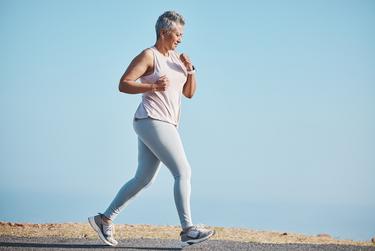
If you are a larger-framed runner or someone carrying more muscle mass, every stride you take puts significantly more force on your joints than the average jogger. For "heavy" runners—often defined in the running community as men over 200 lbs or women over 160 lbs—the standard daily trainer might feel like it "bottoms out" or loses its bounce too quickly. Choosing the right running shoe is about finding a high-performance foundation that can absorb that extra impact and return energy back to you, mile after mile.
Investing in a shoe designed for higher impact isn't just a luxury; it’s a commitment to your long-term health. The right pair turns a jarring, heavy landing into a soft, protected transition, giving you the confidence to push your limits without the fear of nagging knee or foot pain. Whether you are walking for fitness or training for a half-marathon, the right footwear provides that essential emotional hook: the feeling of being supported, resilient, and ready to conquer the road ahead.
What to Look for in Running Shoes for Heavy Runners
When shopping for high-impact footwear, you need to prioritize structural integrity and advanced foam technology that won't compress permanently under load.
-
High Stack Height (Max Cushioning) – Look for shoes with a "tall" midsole. More foam between your foot and the pavement means more material to disperse the force of your weight.
-
High-Density Foam – Look for premium materials like Brooks DNA LOFT or ASICS FF BLAST™ PLUS. these foams are engineered to stay "bouncy" even under consistent heavy pressure.
-
A Wide, Stable Base – A broader outsole (the bottom of the shoe) acts like a sturdy foundation, preventing the shoe from tipping or wobbling during your gait.
-
Durable Outsole Rubber – Heavier runners tend to wear through tread faster. Look for "high-abrasion" rubber in high-wear areas like the heel and forefoot to ensure your shoes last.
Plush vs. Firm Cushioning: Which Is Right for You?
Not all cushioning feels the same, and your preference depends on how you want the shoe to react to your weight.
Plush "Cloud-Like" Cushioning
These shoes feel incredibly soft the moment you put them on. They are ideal if you struggle with joint sensitivity or if you spend most of your time running on hard concrete.
- Top Picks: HOKA Bondi 9, ASICS Gel-Nimbus 27.
Firm and Responsive Cushioning
If you find that very soft shoes make you feel like you are "sinking" too deep, a firmer, high-rebound shoe might be better. These provide a more stable platform and make it easier to push off the ground.
- Top Picks: Brooks Glycerin 22, Saucony Triumph 21, Nike Air Zoom Pegasus 40.
The Takeaway: If you want maximum comfort and impact protection, go with Plush models. If you prefer a shoe that feels more stable and "snappy," look for Firm/Responsive options.
Resilience and Protection on the Road
There is a specific peace of mind that comes from knowing your gear is built to handle your power. For heavier runners, the right shoe eliminates that "thud" feeling and replaces it with a smooth, guided roll. This extra protection allows you to stay consistent with your training, which is the most important factor in any fitness journey. When your feet and knees feel fresh after a run, you're much more likely to stick to your schedule and reach those big milestones.
Best Styles and Options for High Impact at Shoe Station
These top-rated models are specifically engineered to provide the durability and support that larger runners require.
HOKA Bondi 9 – The Ultimate Shock Absorber
The Bondi 9 is a favorite for heavy runners because of its massive bed of soft foam and its "internal heel counter" that keeps the foot locked in place. The wide platform provides incredible stability, making it one of the most trusted shoes for high-impact protection.
Brooks Glycerin 22 – The Reliable Workhorse
The Glycerin 22 uses nitrogen-infused DNA cushioning, which is incredibly resilient. It offers a plush feel that doesn't "pack out" quickly, ensuring that the 300th mile feels just as supportive as the first.
ASICS Gel-Kayano 30 – Stability and Strength
If you are a heavier runner who also overpronates (feet rolling inward), the Kayano is the gold standard. It features a "4D Guidance System" that provides adaptive stability, supporting your arch without feeling stiff or restrictive.
Comfort Tips for High-Impact Running
To get the most out of your high-performance shoes and protect your body, follow these practical tips:
-
Rotate Your Shoes: Heavier runners compress the foam more deeply. Giving your shoes 24–48 hours to "recover" between runs allows the foam to expand back to its original shape, extending the life of the shoe.
-
Check Your Tread Regularly: Once you see the white midsole foam peeking through the bottom rubber, the shoe is dead. Don't wait for aches and pains to tell you it's time for a new pair.
-
Use High-Quality Socks: Extra weight means extra friction. Wear synthetic, moisture-wicking socks to prevent "hot spots" and blisters.
-
The "Runner's Loop": If you feel like your foot is sliding forward or your heel is lifting, use the extra eyelet to create a heel lock. This keeps your foot securely positioned over the cushioning.
High-Impact Running FAQs
Do heavier runners need more expensive shoes? Often, yes. Premium shoes (like the Glycerin or Bondi) use higher-quality foams that are more resistant to "bottoming out" compared to budget-friendly models.
How often should a heavy runner replace their shoes? While 300–500 miles is the standard, heavier runners may need to replace their shoes closer to the 300-mile mark to ensure the structural support is still intact.
Can I use trail shoes for road running if I'm heavier? Trail shoes often have firmer midsoles, which some heavier runners like, but the "lugs" on the bottom will wear down very quickly on pavement. Stick to "Max Cushion" road shoes for the best longevity.
Is it better to have more cushion or more support? It depends on your gait. If your feet stay straight, prioritize Cushion. If your ankles roll inward under your weight, prioritize Support/Stability.