
Athletic & Performance
How Running Shoes Are Designed: The Engineering Behind the Foam
MAY. 29, 2026
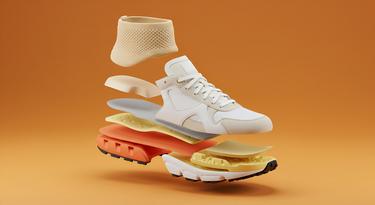
The Engineering Behind the Foam
Modern running shoes are a fusion of biomechanical research, chemical engineering, and industrial design. The process begins with identifying a specific runner’s need—such as speed, stability, or comfort—and moves through stages of 3D modeling, prototype testing in gait labs, and the selection of advanced materials like nitrogen-infused foams and carbon fiber plates. Every curve, stitch, and groove is mathematically calculated to optimize energy return and reduce injury risk.
When you lace up your favorite trainers, you aren't just putting on fabric and foam; you are stepping into one of the most sophisticated pieces of athletic equipment ever created. What looks like a simple sneaker is actually a highly tuned machine, designed to manage the force of up to three times your body weight with every single step. From the chemistry of the midsole to the aerodynamics of the upper, the design process for a single model can take over two years of rigorous testing and refinement. In this guide, we’ll pull back the curtain on the design lab to show you how your shoes transform from a digital sketch into the high-performance partner that carries you across the finish line.
The Three Pillars of Running Shoe Anatomy
Designers focus on three core components to define how a shoe feels and performs on the road.
-
The Upper (The Fit): Engineered using 3D knitting or heat-mapped mesh, the upper is designed to provide "lockdown" over the midfoot while allowing the toes to splay and the skin to breathe.
-
The Midsole (The Engine): This is where the magic happens. Designers use materials like PEBAX, TPU, or EVA to balance shock absorption (cushioning) with energy return (responsiveness).
-
The Outsole (The Grip): Using data-driven "wear maps," designers place durable rubber only where the foot actually makes contact with the ground to save weight without sacrificing traction.
Data-Driven Design vs. Traditional Craft
The way shoes are built has shifted from "intuition" to "information."
-
Lab-Tested Design (The Modern Way): Brands like Brooks, ASICS, and Nike use high-speed cameras and pressure sensors to see exactly how a foam compresses. If the data shows a "dead spot" in energy return, the midsole geometry is recalculated in a computer simulation before a physical shoe is even made.
-
Athlete-Informed Design (The Classic Way): Professional runners provide "subjective feedback." They might report that a shoe feels "mushy" in the corners or "stiff" at the toe-off, leading designers to tweak the flexibility of the forefoot.
Clear Takeaway: Modern design is a loop. Science provides the efficiency, but human testers provide the "feel" that makes a shoe a best-seller.
The Art of the Aesthetic
While the "engine" of the shoe is science, the "body" is art. Designers spend months selecting color palettes and textures that evoke a feeling of speed and energy. Whether it's a sleek, monochromatic look for city running or a vibrant, neon "racing" colorway, the visual design is intended to provide a psychological boost. When a shoe looks fast, you feel fast. It’s that intersection of peak performance and personal style that makes a great running shoe more than just gear—it becomes an expression of your dedication to the sport.
Prototyping and the Final Product
Before a shoe hits the shelves, it goes through several iterations:
-
The "White-Label" Phase: Early prototypes are often stark white or black so testers focus on the feel rather than the looks.
-
3D Printing: Designers use 3D printers to quickly test different "lug" patterns on outsoles or different thicknesses of support structures.
-
Sustainable Evolution: Increasingly, design starts with the planet. Many brands now prioritize recycled polyesters and bio-based foams (made from sugarcane or castor beans) from the very first sketch.
Understanding Design for Your Benefit
-
Look for Flex Grooves: Look at the bottom of your shoe. Those deep lines (flex grooves) are designed to mimic the natural joints in your foot. If they don't align with where your foot naturally bends, the shoe will feel stiff.
-
Heel Counter Strength: Squeeze the back of the shoe. It’s designed to be a "cup" for your heel. If it’s too soft, you lose stability; if it's too hard, it can irritate your Achilles.
-
Breathability Test: Hold the shoe up to a light. You can often see the "engineered" zones where the mesh is thinner—these are designed to be over the hottest parts of your foot.
Running Shoe Design FAQs
How long does it take to design a running shoe? The typical timeline from the first "brief" to the retail launch is 18 to 24 months. This includes multiple rounds of wear-testing and factory adjustments.
Why do shoe designs change every year? Brands release "versions" (e.g., Ghost 15 to 16) to incorporate the latest foam chemistry and to fix minor issues—like a rubbing seam—reported by thousands of runners in previous models.
What is the "Last" of a shoe? The "Last" is the 3D foot model that the shoe is built around. Some brands use a "curved last" for speed shoes and a "straight last" for stability shoes to accommodate different foot shapes.
Are expensive shoes designed better? Higher-priced shoes usually feature premium foams (which stay bouncy longer) and more complex uppers with fewer seams, which reduces the risk of blisters.