
Travel & Outdoor
Best Trail Running Shoes by Brand: Finding Your Off-Road Specialist
MAY. 18, 2026
Quick Answer: Finding Your Off-Road Specialist
Trail running shoes are engineered with rugged outsoles, protective toe guards, and stable platforms to handle rocks, roots, and mud. If you want maximum cushioning and a "rocker" feel for long mountain miles, HOKA is the industry leader with the Speedgoat 6. For those who prefer a traditional, locked-in feel with superior traction, Brooks offers the legendary Cascadia 18.
When you leave the pavement behind, the rules of footwear change. On the trail, "softness" must be balanced with "stability," and "breathability" must be reinforced with "durability." Trail running shoes are the 4x4 vehicles of the running world, featuring aggressive lug patterns for grip and rock plates to shield your feet from sharp debris. Whether you’re navigating a groomed gravel path or a technical single-track climb, the right brand offers a specific "flavor" of protection. In this guide, we’ll break down the top trail performers available at Shoe Station from the world’s leading brands to help you find your perfect dirt-path partner.
The Best Off-Road Models at Shoe Station
Each brand approaches the trail with a different philosophy—from maximalist comfort to ground-feel precision.
-
HOKA (The King of Cushion): The Speedgoat 6 is a trail icon. It features a massive stack of lightweight foam and a Vibram® Megagrip outsole. It’s designed for runners who want to "float" over technical terrain and protect their joints during long descents.
-
Brooks (The Rugged Reliable): The Cascadia 18 is built like a tank. It features a unique "Pivot Post" system that acts like an SUV’s suspension, allowing the shoe to adapt to uneven ground while keeping your foot level. It’s the go-to for hikers and trail runners who prioritize stability.
-
ASICS (The Technical Stabilizer): The GEL-Venture 10 brings ASICS' legendary GEL™ technology to the dirt. It offers a secure, protective ride with a built-in rock plate, making it excellent for rocky, sharp terrain where underfoot protection is the priority.
Speedgoat vs. Cascadia: Cushion vs. Protection
Choosing your trail brand often depends on the "type" of dirt you're running on.
-
HOKA Speedgoat (Max Cushion): Best for long distances and steep descents. The oversized midsole absorbs the jarring impact of downhill running. Choose this if you want to finish your trail run with fresh-feeling legs.
-
Brooks Cascadia (Maximum Protection): Best for technical, rocky terrain. The shoe is stiffer and more "armored" to prevent your foot from twisting on uneven roots. Choose this if you need a shoe that feels indestructible.
Clear Takeaway: If you want to fly over the trail, go with HOKA. If you want to conquer the mountain, go with Brooks.
Reclaiming the Wild
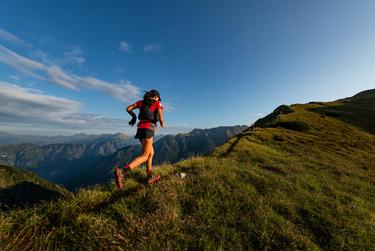
There is a unique sense of mental clarity that comes from trading traffic lights for treelines. When you trust your traction, the "fear" of a slippery root or a loose rock disappears, replaced by the rhythm of the wilderness. A great trail shoe doesn't just protect your feet; it expands your boundaries. It turns a forest path into a personal gym and a mountain ridge into a sanctuary. By choosing a brand that matches your adventurous spirit, you aren't just buying shoes—you’re buying the confidence to see what’s around the next bend.
Rugged Tech, Earthy Aesthetics
Trail shoes at Shoe Station are designed to look as good as they perform, even when covered in dust.
-
Earth Tones & High-Vis Accents: Trail models often feature "nature-inspired" palettes like forest green, slate grey, and clay, often accented with bright neons for visibility in deep woods.
-
Waterproof (GTX) Options: Many of our top models, like the Cascadia and Speedgoat, are available in Gore-Tex (GTX) versions, featuring a waterproof membrane to keep your feet dry during creek crossings or rainy treks.
-
Gaiter Compatibility: Many modern trail shoes include integrated "D-rings" or velcro "Trap" points, allowing you to easily attach trail gaiters to keep sand and pebbles out of your shoes.
Pro Tips for the Trail
-
The "Toe Room" Rule: Your feet swell more on the trail due to heat and constant lateral movement. Ensure you have a full thumb’s width of space at the front to prevent "black toenails" on steep descents.
-
Check the Lugs: If the "teeth" on the bottom of your shoes are worn down to the base, you’ve lost your braking power. Replace trail shoes every 300–400 miles to ensure you have the grip you need for safety.
-
Clean Carefully: Don’t put your trail shoes in the dryer! Heat can damage the technical glues and foams. Instead, knock off the dry mud, wipe them with a damp cloth, and air dry them with newspaper inside to absorb moisture.
Trail Running FAQs
Can I wear trail shoes on the road? Yes, but sparingly. The soft rubber lugs that provide grip on dirt will wear down very quickly on abrasive asphalt. If you do "hybrid" runs, look for a "road-to-trail" shoe like the New Balance Hierro.
What is a "Rock Plate"? It is a thin, flexible layer of hardened plastic or carbon sandwiched in the midsole. It protects your foot from the "bruising" sensation of stepping on a sharp rock.
Are trail shoes heavier than road shoes? Usually, yes. The added rubber on the outsole and the protective overlays on the upper add a few ounces, but the tradeoff is significantly better durability and safety.
Do I need waterproof shoes for trail running? Only if you frequently run in mud, snow, or tall, wet grass. For most summer trail running, non-waterproof shoes are better because they breathe better and drain water faster if you accidentally submerge them.
