
Athletic & Performance
The Best Running Shoes for Marathon Training: 26.2 Miles of Comfort
APR. 17, 2026
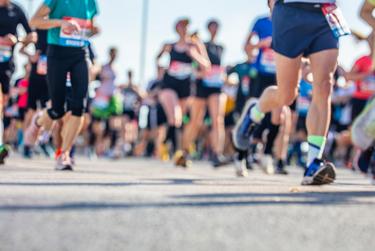
Preparing for 26.2 miles is as much a mental challenge as it is a physical one, and your footwear is the most important piece of equipment you’ll own during the process. Throughout a marathon training cycle, you will likely cover hundreds of miles, putting immense repetitive stress on your muscles and joints. The right training shoe acts as a protective shield, absorbing impact during long Sunday runs and providing the energy return you need for midweek speed sessions.
Finding a shoe that aligns with your specific gait and distance goals can be the difference between crossing the finish line with a smile and struggling with avoidable fatigue. Whether you are a first-timer aiming to finish or a seasoned runner chasing a personal best, the right pair provides that essential emotional hook: the feeling of being resilient, prepared, and unstoppable as you check off each mile on your training calendar.
What to Look for in Marathon Training Shoes
When you are training for high mileage, your shoes need to offer a specific balance of durability, protection, and performance.
-
Premium Energy Return – Look for advanced midsole foams like Brooks DNA or ASICS FF BLAST™ PLUS. These materials are designed to "bounce back" quickly, reducing leg fatigue during long efforts.
-
Maximalist Cushioning – For those 15+ mile training runs, a higher stack height (more foam underfoot) is essential for protecting your joints from the hard pavement.
-
Breathable Upper Construction – Your feet will naturally swell and generate heat during long runs. An engineered mesh upper allows for maximum airflow to prevent blisters and discomfort.
-
Rocked Geometry – Many marathon-specific shoes feature a "rocker" shape that helps roll your foot forward efficiently, saving you energy with every stride.
Daily Trainer vs. Long Run Shoe: Which Is Right for You?
Most marathoners find success by choosing a shoe that can handle the variety of a training plan.
The Versatile Daily Trainer
These shoes are the "workhorses" of your training. They are durable enough for everyday miles but responsive enough for when you want to pick up the pace. They offer a familiar, secure fit that works for almost any run.
- Top Picks: Brooks Ghost 17, ASICS Gel-Cumulus 27, Nike Air Zoom Pegasus 40.
The Max-Cushion Long Run Shoe
When your training plan calls for double-digit mileage, you want maximum protection. These shoes prioritize softness and impact absorption above all else, keeping your legs feeling fresher for the following day’s recovery.
- Top Picks: HOKA Bondi 9, ASICS Gel-Nimbus 27, Brooks Glycerin 22.
The Takeaway: If you only want one shoe for your entire cycle, choose a Versatile Daily Trainer. If you want to invest in your recovery, rotate in a Max-Cushion shoe for your longest weekly efforts.
The Joy of the Long Run
There is a specific kind of "runner's high" that occurs when your gear disappears and you’re perfectly in sync with your stride. During a marathon build, your shoes become an extension of your body. A high-quality trainer eliminates the distractions of "hot spots" or heavy landings, allowing you to settle into a rhythm and enjoy the scenery. This comfort is what helps you push through the "wall" and stay committed to your training plan, even when the miles get tough.
Best Styles for Marathon Training at Shoe Station
These top-performing models are currently in stock and ready to help you tackle your 26.2-mile goal.
Brooks Glycerin 22 – Plush and Resilient
The Glycerin 22 is a marathoner’s favorite because of its nitrogen-infused cushioning. It provides a soft, "cloud-like" feel that doesn't pack down over long distances, making it a reliable choice for those heavy-mileage weeks.
HOKA Clifton 10 – Lightweight Miles
The Clifton 10 is famous for its "balanced" cushion. It provides the signature HOKA softness but remains light enough that you won't feel weighed down during the final miles of a marathon. Its rocker shape helps maintain an efficient gait even when you're tired.
ASICS Gel-Nimbus 27 – Maximum Impact Protection
If your primary concern is joint protection, the Gel-Nimbus 27 is the gold standard. With its PureGEL™ technology and massive amount of foam, it’s designed to make the hardest road feel like a soft track.
Nike Air Zoom Pegasus 40 – The Speed Workhorse
For runners who want a snappier, more traditional feel, the Pegasus 40 is a classic. It’s excellent for midweek "tempo" runs where you are practicing your goal marathon pace, offering great durability and a secure, athletic fit.
Comfort Tips for Your Marathon Journey
To ensure your feet stay healthy throughout your training cycle, keep these practical tips in mind:
-
The "Half-Size Up" Rule: Many marathoners buy their training shoes a half-size larger than their casual shoes. This accounts for the significant foot swelling that happens after an hour or more of running.
-
Replace Early, Replace Often: Don't wait until race day to buy new shoes. Most marathoners go through two pairs of shoes during a full training cycle. A fresh pair with "live" foam will protect you much better than a worn-out one.
-
Practice Your Race Day Setup: Always do your longest training runs in the exact shoe and sock combination you plan to wear on race day to ensure there are no surprises or chafing.
-
The Heel Lock: If you feel any movement in your shoe during uphill or downhill sections, use the extra eyelet at the top to create a "heel lock" for a more secure fit.
Marathon Training FAQs
How many miles should I have on my shoes before race day? You should aim to have about 30 to 50 miles on your race-day shoes. This ensures they are "broken in" and comfortable, but the foam is still fresh and responsive for the big day.
Can I train for a marathon in just one pair of shoes? While possible, rotating two pairs allows the foam in each shoe to "rest" and decompress between runs, which actually helps the cushioning last longer and stay more protective.
Are HOKAs good for marathons? Absolutely. Many marathoners choose HOKA because the lightweight cushioning reduces the cumulative "pounding" on the legs, which can lead to faster recovery times between training runs.
What is the best way to prevent black toenails? Ensure you have a full thumb's width of space at the front of your shoe. Black toenails are usually caused by the toes repeatedly hitting the front of a shoe that is too small.