
Sizing & How-To
Are Expensive Running Shoes Worth It? Premium Performance vs. Price
MAY. 25, 2026
Quick Answer: Value vs. Price
The short answer is yes, but only if the "expense" matches your specific needs. High-end running shoes ($140–$250+) aren't just pricier because of a brand name; they typically feature advanced foam chemistry (like nitrogen-infused DNA LOFT), premium technical mesh, and specialized stability systems that last longer and protect your joints better than budget sneakers. However, for a casual walker or a beginner doing low mileage, a reliable mid-tier "workhorse" like the Brooks Ghost often provides better long-term value than a $250 carbon-plated racer.
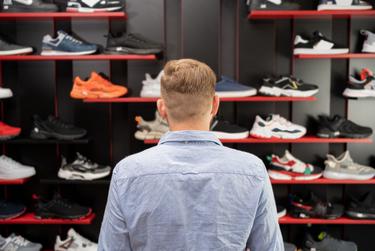
In the world of performance footwear, you often get exactly what you pay for—but more money doesn't always mean "more better" for every runner. When you browse the walls at Shoe Station, you’ll see price points ranging from $60 department store sneakers to $250 "Super Shoes" from HOKA and Brooks. It can be tempting to think a higher price tag is just a marketing gimmick. In reality, the difference lies in the "engine" of the shoe: the midsole. Expensive shoes are engineered to manage the repetitive impact of running, which can be up to three times your body weight. In this guide, we’ll break down where your money actually goes and help you decide if an investment in premium tech is the right move for your fitness journey.
The Three Pillars of Premium Footwear
When you move into the $140+ price bracket, your investment is going toward three specific engineering upgrades.
-
Advanced Midsole Chemistry: Budget shoes use standard EVA foam, which packs down and loses its "bounce" in as little as 100 miles. Premium shoes use super-critical foams (like Brooks DNA FLASH) that remain responsive and protective for 400–500 miles.
-
Biomechanical Engineering: Expensive shoes often feature "active" technologies, such as the HOKA Meta-Rocker or Brooks GuideRails. these systems work with your unique gait to prevent injury, rather than just providing a flat piece of rubber.
-
Upper Durability and Comfort: High-end shoes use engineered mesh that is breathable, seamless (to prevent blisters), and structurally reinforced in high-wear areas, ensuring the shoe doesn't fall apart before the foam is spent.
The "Sweet Spot" vs. The "Super Shoe"
At Shoe Station, we categorize value into three tiers to help you shop effectively.
-
The Entry Level ($60–$90): Best for walking and light gym work. These lack the specialized "energy return" foams needed for consistent distance running.
-
The "Daily Trainer" Sweet Spot ($140–$160): This is where most runners find the best value. Shoes like the Brooks Adrenaline GTS or HOKA Clifton offer pro-level protection and durability that lasts for months of daily training.
-
The "Super Shoe" Tier ($200+): Features carbon fiber plates and "marathon-grade" foams. These are worth it for race day performance, but they are actually less durable than mid-tier shoes, often lasting only 200 miles.
Clear Takeaway: For longevity, spend $140–$160. For speed records, spend $200+.
The Cost of Prevention
Think of a high-quality running shoe not as a purchase, but as "preventative maintenance" for your body. The cost of a premium pair of HOKA or Brooks trainers is significantly less than a single physical therapy session or a co-pay for a running-related injury. When you invest in better cushioning and stability, you are buying the ability to stay consistent. There is a profound mental peace that comes with knowing your gear is doing the "heavy lifting" of shock absorption, allowing you to focus on the sunset, your favorite podcast, or the rhythmic flow of your breath.
Premium Aesthetics at Shoe Station
Expensive shoes don't just perform better; they look the part.
-
Detailed Finishes: Premium models often feature reflective 3M hits, specialized "flat-lay" laces, and gusseted tongues that won't slide around mid-run.
-
Vibrant Innovation: The highest-end shoes often debut the "hottest" colorways and most modern silhouettes, from the bold stack heights of HOKA to the sleek, technical overlays of Brooks.
-
Inclusive Fit: Higher-priced brands invest more in width variety. At Shoe Station, we carry these premium models in Narrow, Wide, and Extra-Wide to ensure the "expensive" tech actually aligns with your foot.
How to Maximize Your Investment
-
The "Running Only" Rule: If you spend $150 on running shoes, don't wear them to mow the lawn or walk the dog. Save the specialized foam for your workouts to ensure you get the full 500-mile lifespan.
-
Track Your "Cost Per Mile": A $150 shoe that lasts 500 miles costs $0.30 per mile. A $70 shoe that "dies" at 100 miles costs $0.70 per mile. The "expensive" shoe is actually the better deal.
-
Rotate Your Pairs: Buying two pairs at once (a rotation) allows the foam to decompress between runs, which can actually extend the total life of both pairs.
Expensive Shoe FAQs
Why are HOKA and Brooks more expensive than department store brands? They invest heavily in R&D and gait analysis. Every curve in a HOKA sole and every "GuideRail" in a Brooks shoe is scientifically placed to reduce the risk of common injuries.
Are expensive shoes more comfortable? Usually, yes. They use higher-quality interior linings and "step-in" foams that feel soft immediately without needing a "break-in" period.
Do expensive shoes last longer? Yes, in terms of midsole life. While a cheap shoe might still look "new," the internal support structure often collapses long before a premium trainer does.
Can I find these shoes on sale? Yes! At Shoe Station, we often have previous-season models (like the Ghost 16) at a significant discount, giving you premium tech for a mid-tier price.